By: The I.T. Factory
Pixel pitch is an essential factor to consider when choosing an LED wall or display, but it can be confusing to understand. In simple terms, pixel pitch is the distance between each pixel on an LED screen. The smaller the pixel pitch, the higher the resolution and the closer viewers can stand to the screen without seeing individual pixels. However, it’s not just about choosing the smallest pixel pitch available. The viewing distance is also a crucial aspect to consider when selecting the right pixel pitch for your LED wall or display. In this article, we’ll dive into the basics of pixel pitch and viewing distance to help you choose the right pixel pitch for your needs.
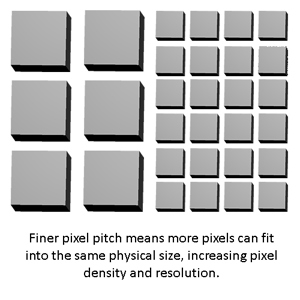
Pixel pitch directly affects the detail of the image you can see on an LED display. When the pixels are closer together, the image appears smoother and more detailed from a closer distance. Conversely, a larger pixel pitch means that the pixels are spaced further apart, which can be more suitable for viewers who are farther away. Understanding this concept is vital for anyone looking to install an LED screen in a public space, a control room, or even for an event where the audience’s proximity to the screen varies.
What is Pixel Pitch?

Pixel pitch is measured in millimeters (mm) and refers to the distance between the center of one LED pixel to the center of the next. For example, if the pixel pitch is 1mm, there is a 1mm distance between the center of one pixel and the center of the next. This distance is essential because it determines the sharpness and clarity of the images displayed on the screen. The smaller the pixel pitch, the closer the pixels are together, resulting in a higher resolution and crisp imaging.
A lower pixel pitch is often associated with higher-quality displays, as they can produce a more detailed and less grainy picture, especially when viewed up close. This is why you’ll find small pixel pitches in environments where viewers are expected to be near the screen, like in a retail setting or within an interactive kiosk. On the other hand, in scenarios such as digital billboards or stadium screens where the audience is typically at a significant distance, the pixel pitch can be much larger without affecting the viewer’s experience.
How to Choose the Right Pixel Pitch
Choosing the right pixel pitch is crucial for achieving the desired image quality and viewing experience. But with so many options available, how do you choose the right pixel pitch for your needs? Here are a few factors to consider when selecting the right pixel pitch for your LED wall or display:
- Viewing distance: The viewing distance is the distance between the viewer and the LED screen. The further the viewing distance, the larger the pixel pitch you can use without compromising image quality. For example, if your viewing distance is 10 meters, a pixel pitch of 10mm or higher would still result in clear and sharp images. However, if your viewing distance is 2 meters, a pixel pitch of 10mm would result in a pixelated and blurry image.
- Image resolution: The desired resolution of your images also plays a role in choosing the right pixel pitch. For high-resolution pictures, a smaller pixel pitch is necessary.
- On the other hand, if you’re displaying simple graphics or text, a larger pixel pitch would suffice.
- Content type: The type of content you’ll be displaying on your LED screen is also crucial in selecting the right pixel pitch. If you’re primarily showing high-definition videos or images, a smaller pixel pitch would provide better image quality. However, if you’re displaying simple graphics or text, a larger pixel pitch would be suitable.
- Budget: As with any technology, a higher resolution comes with a higher price tag. The smaller the pixel pitch, the more expensive the LED wall or display will be. It’s essential to consider your budget when choosing the right pixel pitch for your needs.
In addition to these considerations, ambient lighting conditions should also be taken into account. In bright environments, a finer pixel pitch may be necessary to maintain image quality, as ambient light can wash out the contrast of a display. Also, the intended use of the display—whether it’s for dynamic video content or static image—can influence your choice of pixel pitch, as motion can sometimes mask pixilation to a degree.
Using a Pixel Pitch Calculator
If you’re unsure which pixel pitch would be suitable for your needs, you can use a pixel pitch calculator to help you decide. A pixel pitch calculator takes into account your viewing distance, desired resolution, and content type to recommend the best pixel pitch for your LED wall or display. Most pixel pitch calculators are available online and are easy to use.
These calculators are particularly helpful for those who are new to LED technology or who are unsure about the specifications they require. By inputting a few simple details about your project, such as the size of the display and the average viewing distance, you can quickly get an estimate that will guide your decision-making process. Additionally, consulting with an LED display expert can provide you with valuable insights and help you understand how pixel pitch will affect your specific use case.
Understanding Viewing Distance
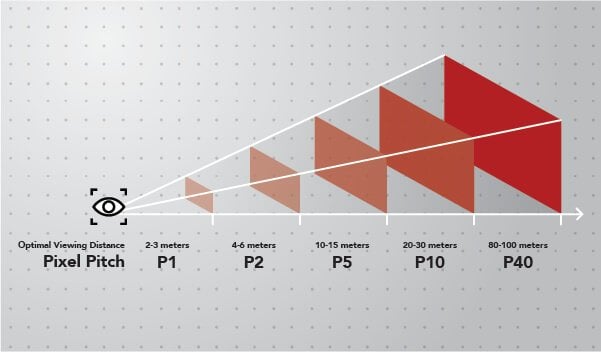
Viewing distance is the distance between the viewer and the LED screen. As mentioned earlier, the further the viewing distance, the larger the pixel pitch you can use without compromising image quality. The viewing distance is crucial in determining the right pixel pitch for your LED wall or display. Here are a few things to keep in mind when considering viewing distance:
- Impact on image quality: The viewing distance has a significant impact on the image quality. If the viewing distance is too short, a smaller pixel pitch would be necessary to avoid a pixelated or blurry image. However, if the viewing distance is too long, a smaller pixel pitch may not be necessary, and a larger one may suffice.
- Optimal viewing distance: The optimal viewing distance is the distance at which the human eye can see the entire image without straining. This distance varies depending on the pixel pitch and resolution of the LED screen.
- Size of the LED wall or display: The size of your LED wall or display can also affect the viewing distance. A larger screen may require a longer viewing distance to ensure the entire image is visible without straining the eyes.
Understanding the concept of the optimal viewing distance can also help you design your space more effectively. If you are placing an LED screen in a location where viewers will be at varying distances, you will need to find a balance between a pixel pitch that provides clarity for those up close, without sacrificing the experience for viewers further away. Additionally, the viewing angle can influence the perceived image quality, as viewing from a side angle can sometimes cause the image to appear distorted or less vibrant, which is something to consider in wide spaces.
The Relationship Between Pixel Pitch and Viewing Distance

Pixel pitch and viewing distance are closely related and work hand in hand to determine the image quality of your LED wall or display. A smaller pixel pitch allows viewers to stand closer to the screen without seeing individual pixels, resulting in a higher resolution and sharper images. On the other hand, a larger viewing distance allows for a larger pixel pitch without compromising image quality. Here’s a general guideline for choosing the right pixel pitch based on viewing distance:
- Viewing distance of 2-4 meters: A pixel pitch of 1.2-1.6mm would be suitable for displaying high-resolution images and videos.
- Viewing distance of 4-6 meters: A pixel pitch of 2-3mm would be suitable for displaying high-resolution images and videos.
- Viewing distance of 6-10 meters: A pixel pitch of 4-6mm would be suitable for displaying high-resolution images and videos.
- Viewing distance of 10+ meters: A pixel pitch of 10mm or higher would be suitable for displaying high-resolution images and videos.
It’s essential to note that these guidelines may vary depending on the content type and desired image resolution. It’s always best to consult a professional when choosing the right pixel pitch for your LED wall or display.
This relationship also implies that there is a point of diminishing returns when selecting a very small pixel pitch for a display that will only be viewed from a large distance. In such cases, the additional cost associated with a finer pixel pitch may not provide a noticeable benefit to the viewer. Therefore, it is crucial to match the pixel pitch to the use case to ensure that you’re not overspending on unnecessary resolution.
Conclusion
Choosing the right pixel pitch for your LED wall or display is crucial in achieving the desired image quality and viewing experience. It’s essential to consider factors such as viewing distance, image resolution, content type, and budget when selecting the right pixel pitch. By understanding the relationship between pixel pitch and viewing distance, you can make an informed decision and ensure your LED screen meets your needs.
In summary, by taking into account the factors highlighted above, you can determine the ideal pixel pitch for your LED wall or display. Remember that the goal is to provide the best possible viewing experience for your audience, whether it’s in a commercial, educational, or entertainment setting. With the right knowledge and tools at your disposal, selecting the perfect pixel pitch should be a calculated and confident decision.